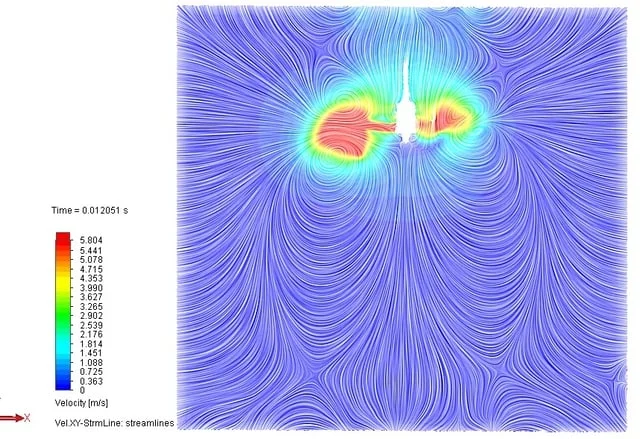
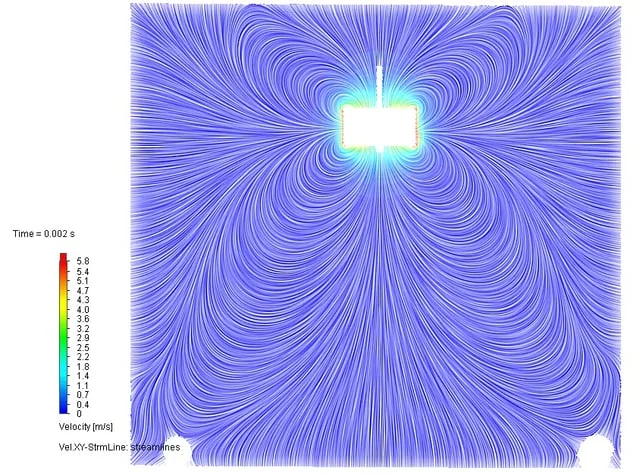
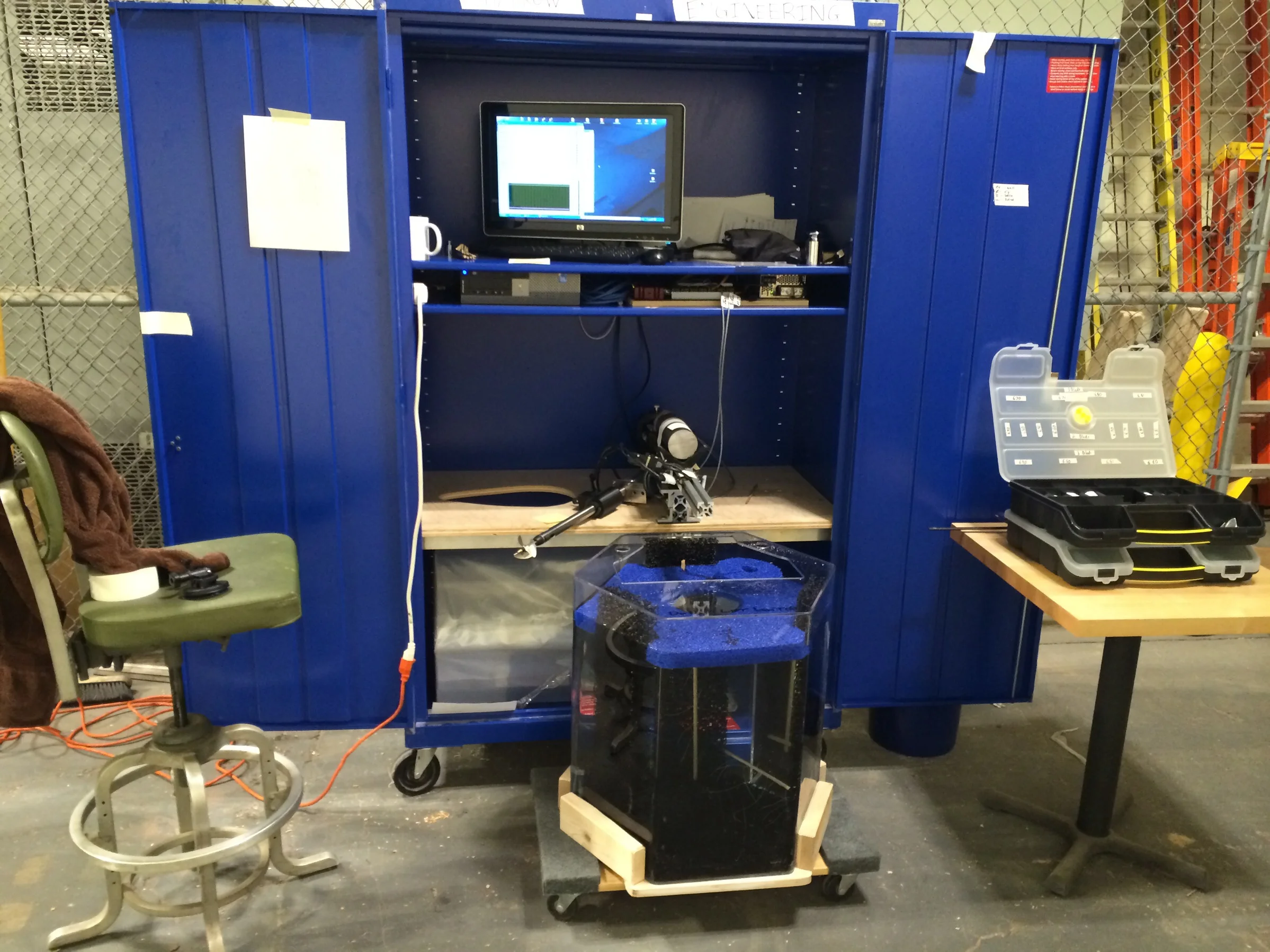
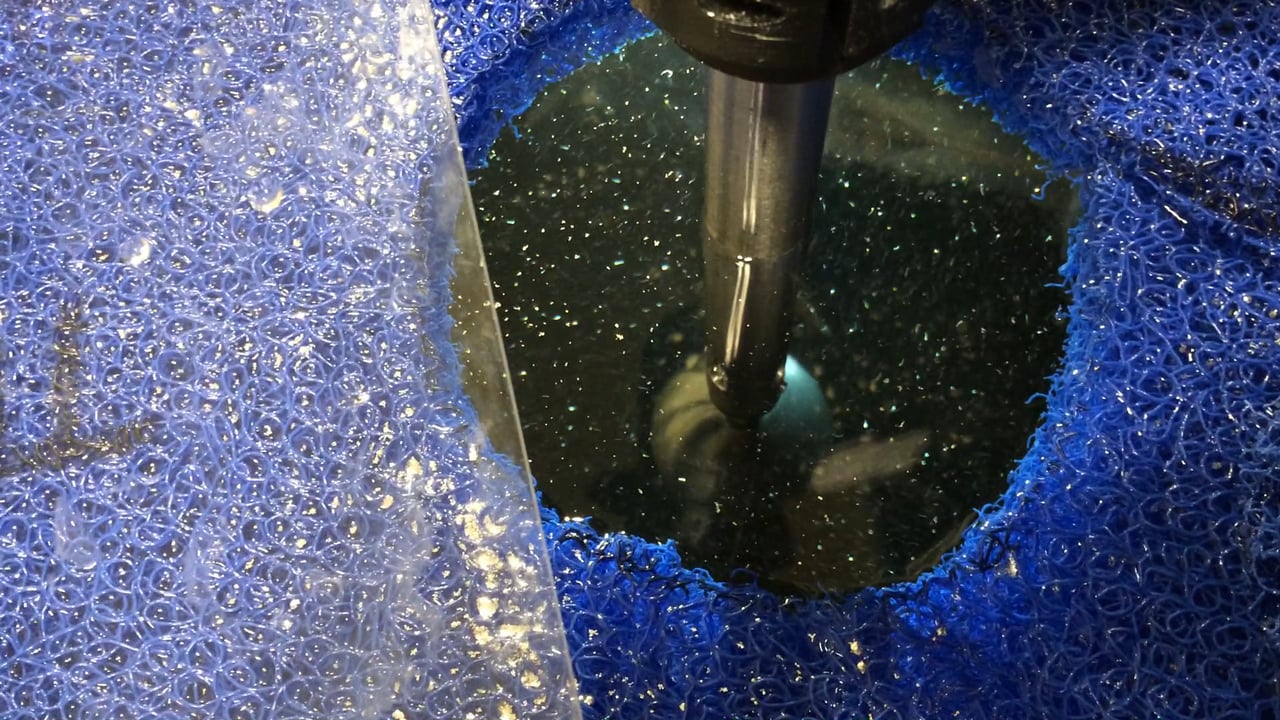
In 2014 a client project took me into the world of Computational Fluid Dynamics. The Inventor had a concept for a novel form of propeller. We iterated the design numerous times, utilizing a very basic purpose built dynamometer to evaluate the performance of model scale propellers in a tank. To further explore the hydrodynamics, it soon became apparent that CFD would be an essential tool. We opted to utilize Solidworks Flow for numerous reasons; not the least of which was the advertised ease of use, the integration of Meshing, Pre- and Post-processing inside Solidworks, and support to run parametrically driven design studies.
While most of the the work done in the last year is proprietary, I can share that after about 2-3 months of learning-curve and several more months of study design and model refinement, we were able to generate CFD simulation results for thrust and torque performance of the prototype design that were within 1%-5% of physical test results from tow-tank data performed at the University of Michigan. This validation has been a wellspring for new insights into the complex fluid dynamics associated with this device.